
Dana Frank · 8 November 2026
Bristol Creative Sector Expands into Virtual Reality for Worldwide Engagement
Observers note that Bristol's creative industries have accelerated their adoption of virtual reality technologies in recent years, with multiple studios redirecting resources toward immersive content designed for audiences across continents, and data from industry reports shows this shift gained momentum as demand for remote digital experiences grew steadily after 2023.
Background on the Transition
Researchers at local institutions have tracked how film, animation, and gaming firms in the city began experimenting with VR platforms around 2024, combining traditional storytelling methods with interactive elements that allow users in different time zones to participate simultaneously, while funding allocations from regional development programs supported pilot projects that tested hardware compatibility and content distribution models.
Those who've followed the sector point out that companies previously focused on linear media now allocate up to 40 percent of production budgets to VR formats, according to figures released by the UK Digital Economy Council, and this reallocation reflects broader patterns where Bristol firms leverage existing expertise in visual effects to create environments accessible via headsets or browser-based viewers.
Key Developments in 2026
Events scheduled for November 2026 include a series of industry showcases organized by the Bristol VR Consortium, where developers will demonstrate prototypes aimed at international markets in Asia and North America, and preliminary announcements indicate collaborations with hardware manufacturers that enable seamless streaming to users equipped with standard consumer devices.
Studies conducted by the University of the West of England reveal that VR content from Bristol studios reached over 1.2 million unique sessions in the first half of 2026, with engagement metrics indicating higher retention rates among viewers in Europe and Australia compared to traditional video formats, and these findings build on earlier surveys that documented a 25 percent increase in cross-border licensing deals.
Technology and Content Strategies
Developers have integrated advanced rendering techniques that support real-time adjustments based on user location data, which helps tailor narrative branches without requiring separate production pipelines, while partnerships with international platforms allow Bristol-based creators to distribute experiences directly to global users through subscription services.
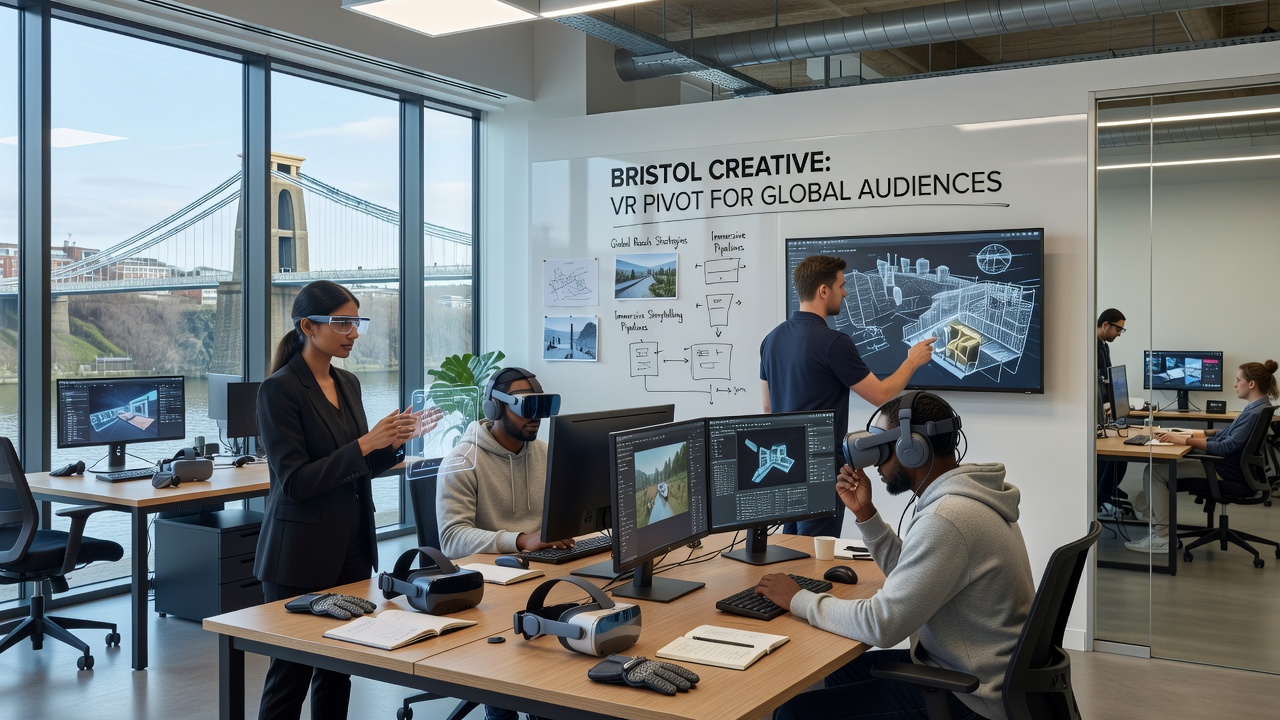
One notable project involves a historical reconstruction series that lets participants explore reconstructed versions of Bristol's harbors from multiple eras, and analytics shared by production teams show that sessions originating from Canada and New Zealand account for a growing share of total playtime, supported by localization efforts that incorporate regional voice options and cultural references.
Industry Partnerships and Funding
Trade associations such as the Interactive Entertainment Association have documented how Bristol firms secured grants through cross-regional alliances that prioritize digital export initiatives, and evidence from project evaluations indicates these resources helped offset costs associated with motion capture studios and cloud rendering infrastructure essential for high-fidelity VR output.
Academic collaborations with institutions in the European Union have produced joint research on accessibility standards, ensuring that experiences comply with varying regulatory frameworks while maintaining creative integrity, and reports from these partnerships highlight successful trials where participants with different connectivity levels accessed the same content without performance degradation.
Challenges Encountered
Production teams have addressed issues related to bandwidth variability and device fragmentation by adopting modular design approaches that scale visual complexity dynamically, and observers note that iterative testing cycles now incorporate feedback from beta users in diverse geographic regions to refine interaction mechanics before full release.
Data compiled by independent analysts shows that while initial setup expenses remain elevated, revenue from global subscriptions has begun to offset investments within 18 months for several studios, prompting additional firms to explore similar transitions as market signals strengthen.
Conclusion
Records from ongoing monitoring efforts indicate that Bristol's pivot toward VR continues to align with evolving audience preferences for interactive global content, supported by sustained investment and technical refinements that position the city's creative output for expanded international reach in the years ahead.