Devon Schmid · 11 October 2026
Norfolk's Shoreline Protection Push Sparks Cross-Regional Funding Alliances
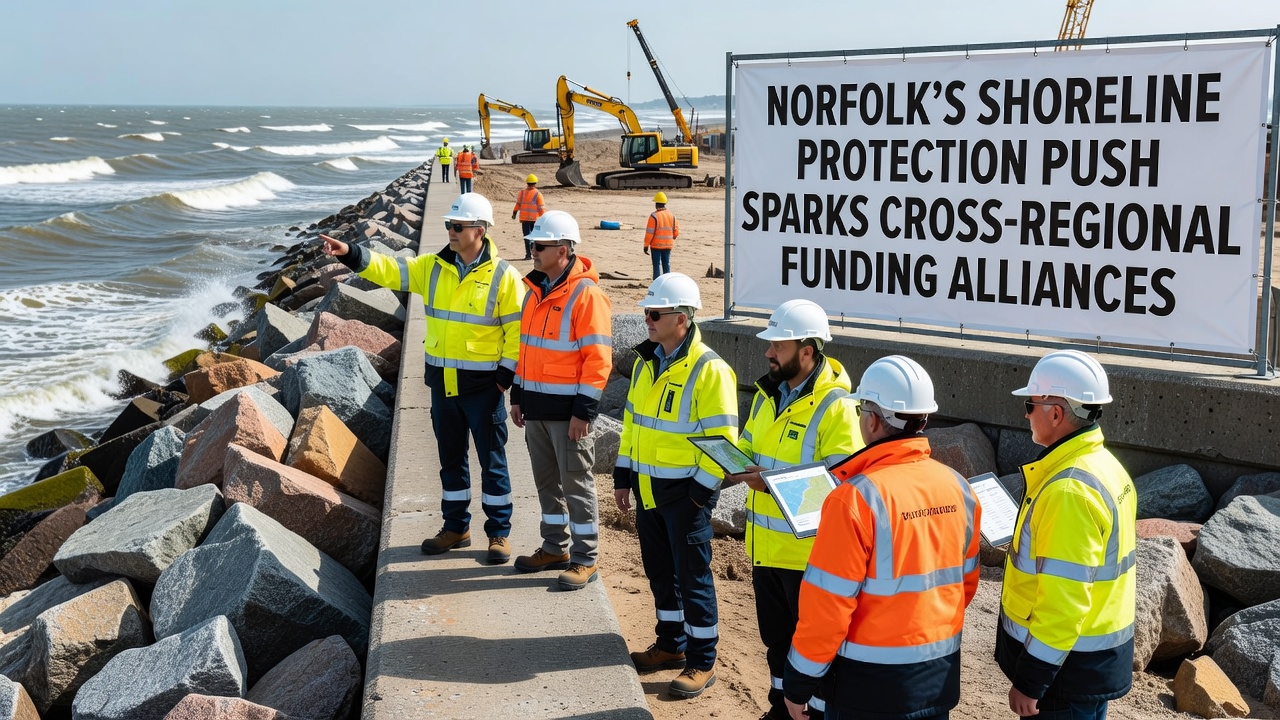
Norfolk's coastal authorities launched a coordinated shoreline protection initiative in early 2026 that quickly drew interest from neighboring regions seeking shared funding models, and data from the Environment Agency shows erosion rates along parts of the Norfolk coast reaching up to 1.5 meters annually in vulnerable spots while sea level rise projections from the UK Met Office indicate additional pressure through the next decade. Local councils in Great Yarmouth and North Norfolk began the push after repeated storm surges damaged infrastructure, yet the effort expanded when planners recognized that isolated projects would fall short without broader financial commitments from multiple partners.
Coastal Challenges Driving the Initiative
Researchers at the University of East Anglia documented how tidal patterns and increased storm frequency have accelerated cliff retreat in areas like Happisburgh, where homes and farmland face direct threats, and communities have responded by forming working groups that track these changes month by month. In October 2026 these groups presented updated risk maps during a regional summit that highlighted the need for engineered barriers, managed realignment schemes, and nature-based solutions such as saltmarsh restoration, all of which require substantial capital beyond what single local budgets can provide.
Funding gaps became clear when initial cost estimates for comprehensive defenses exceeded £250 million across the county, prompting officials to explore alliances that pool resources from inland districts benefiting indirectly from reduced flood risks downstream. Observers note that such cross-regional arrangements mirror successful models used in other parts of the UK where river catchment boards share expenses for upstream interventions that protect coastal zones.
Building Alliances Across Regions
Meetings held throughout summer 2026 brought together representatives from Norfolk, Suffolk, and Lincolnshire along with partners from the Netherlands, and these discussions produced formal memoranda of understanding that outline joint grant applications to national and European climate adaptation funds. The Environment Agency contributed technical assessments while Suffolk County Council offered matching commitments for shared monitoring equipment, creating a framework where each participant contributes according to assessed benefit levels rather than equal shares.
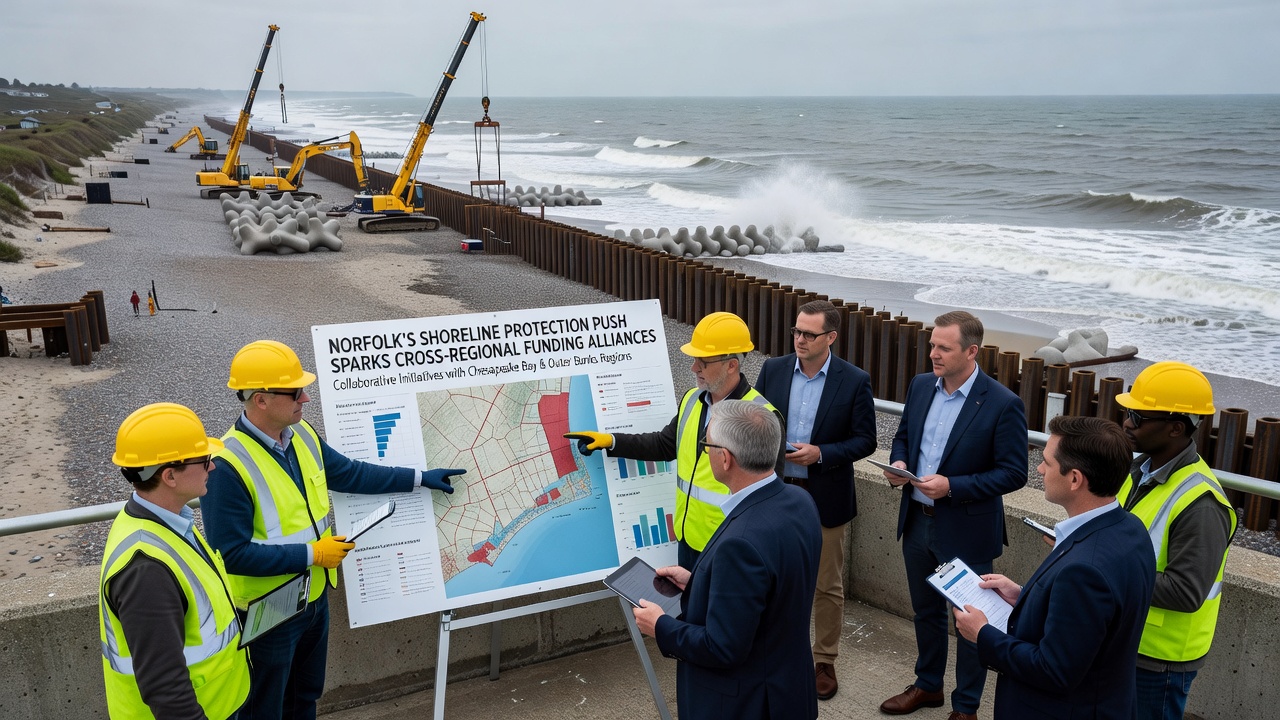
What's interesting is how quickly the alliances extended beyond immediate neighbors when planners contacted counterparts in Yorkshire and the South West who face similar erosion pressures, and preliminary agreements now include provisions for knowledge exchange on innovative materials like permeable rock groynes tested in those areas. Data shared through these channels revealed that collaborative procurement could reduce material costs by 18 to 22 percent compared with separate tenders, according to figures compiled by the Local Government Association.
Funding Mechanisms and Early Results
Grant applications submitted in September 2026 target the UK government's Flood and Coastal Resilience Innovation Programme alongside EU Interreg funding streams focused on North Sea cooperation, and early indications suggest several bids will receive partial support that unlocks further private sector contributions. Observers note that private insurers have expressed willingness to co-finance pilot projects when long-term risk reduction metrics are included in the contracts, a development that expands the pool without relying solely on public sources.
One project already underway involves a 3-kilometer stretch near Winterton where new dune reinforcement combines with community education programs, and monitoring data collected since spring 2026 shows sediment retention improving by 12 percent compared with untreated sections nearby. Those involved in the alliance credit the cross-regional structure for allowing rapid deployment of specialized contractors who move between sites as weather windows permit.
Broader Implications for Coastal Management
Similar alliances have formed in other UK coastal counties since the Norfolk model gained visibility, and planners in Devon and Cornwall have adapted elements of the funding template for their own submissions. Research published by the National Oceanography Centre indicates that coordinated regional approaches tend to deliver more consistent habitat outcomes than piecemeal efforts, particularly when projects account for sediment transport pathways that cross administrative boundaries.
By October 2026 the Norfolk initiative had secured letters of intent totaling £87 million from combined sources, though full implementation still depends on final approvals expected before year end. Those tracking the process emphasize that success hinges on maintaining transparent benefit-sharing formulas that keep all partners engaged over the multi-year construction timeline.
Conclusion
The shoreline protection effort in Norfolk illustrates how localized environmental pressures can catalyze wider funding partnerships that distribute costs and expertise across traditional boundaries. Continued monitoring through 2027 and beyond will determine whether these alliances sustain momentum or encounter coordination hurdles common to multi-jurisdictional projects, yet the initial structure provides a template others can refine. Additional data releases scheduled for early 2027 should clarify the extent of risk reduction achieved across the participating regions.